The Essential Role of Excavation in Developing Sustainable Landscapes Apr 03, 2026
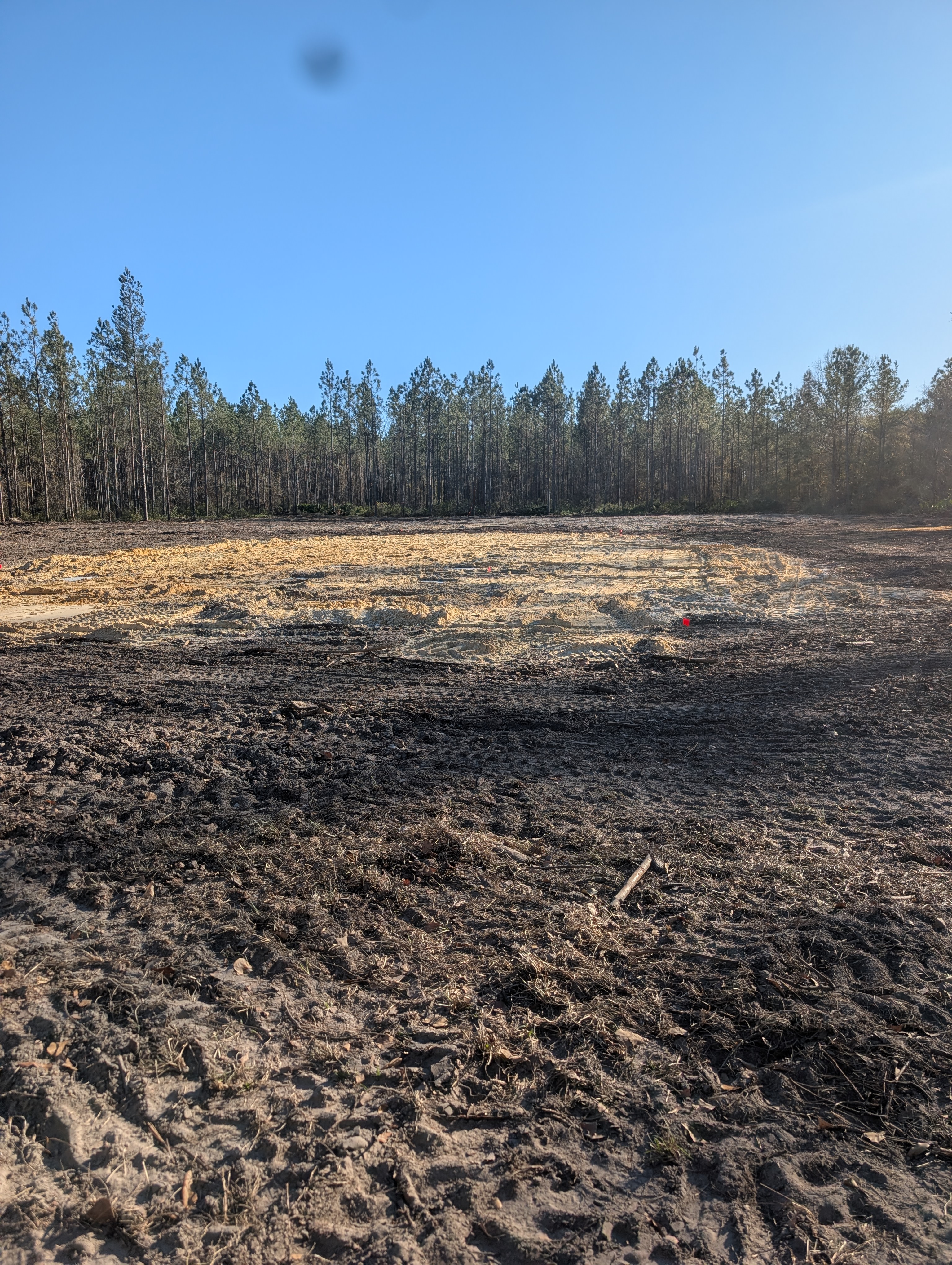
When embarking on a landscaping project, proper site preparation is essential. Excavation ensures the groundwork is perfectly laid out for subsequent stages of development. By accurately assessing and removing soil, rock, and other materials, the groundwork for stable structures and healthy plant growth is secured. Strategic excavation also allows for the implementation of erosion control measures, which are critical in preventing soil degradation and protecting plant life.
Another important aspect of excavation is facilitating effective drainage systems. Proper water management is vital for maintaining a sustainable landscape. Without effective drainage, water can accumulate, leading to soil erosion and plant damage. Excavation allows for the creation of natural contours and channels that direct water flow efficiently, reducing runoffs and ensuring that water resources are utilized optimally. With climate change increasing the unpredictability of weather patterns, these measures are more critical than ever.
Furthermore, excavation provides the opportunity to integrate eco-friendly materials and techniques from the outset. During the excavation process, land managers can identify and preserve areas of high ecological value, thereby protecting existing ecosystems and biodiversity. This proactive approach aligns with sustainable practices and contributes positively to the surrounding environment.
Sustainable landscaping also often involves the use of recycled materials, and strategic excavation can help in identifying reusable resources within a site. For instance, excavated rocks and soil can be repurposed for creating retaining walls or aesthetic features, reducing the need for importing new materials. This not only lowers the environmental impact but also significantly reduces project costs.
TDWS Land Management employs advanced technology to carry out precise land assessments and excavations. The use of GPS and CAD systems ensures high levels of accuracy in site mapping and grading, which minimizes waste and enhances efficiency. By investing in such innovations, TDWS exemplifies how modern excavation practices can significantly contribute to sustainable landscape development.
Communication with clients is another cornerstone of sustainable excavation. By clearly outlining project goals and educating stakeholders on sustainable practices, excavation firms like TDWS ensure that all parties involved understand the ecological benefits and requirements. This transparency helps foster a commitment to preserving the environment while meeting development needs.
In conclusion, excavation plays a pivotal role in developing sustainable landscapes. It is not merely about removing earth, but shaping the land in a way that promotes ecological balance and sustainability. Companies like TDWS Land Management are leading the charge by employing innovative techniques and eco-friendly practices, ensuring that every development is both beneficial to people and kind to the planet. Understanding the significant impact of excavation can empower developers, architects, and property owners to make informed decisions that enhance both the aesthetic and environmental value of their projects. By prioritizing sustainable excavation, we pave the way to a greener, healthier future.